The Small Munsterlander is a versatile, intelligent, and active German hunting dog. Its medium size, medium-length coat, and water repellent features make it adaptable for family members, outdoor activities, and retriever skills, promoting bonding.
Its high intelligence, playful behavior, and natural hunting instincts combine with obedience, agility, and mental stimulation, allowing companionship for active families, while loyal companion traits ensure friendly interaction, socialization, and consistent training, making it a popular, affectionate, and versatile companion.
History
Originating in the Munster region, Germany, during the 19th century, the Small Münsterlander evolved from long-coated German Spaniels, combining pointing, retrieving skills, and scenting for upland gamebirds and waterfowl. Friedrich Jungklaus formalized the breed standard in 1921.
By 1912, the breed supported falcon hunting, tracking wounded game, and prey retrieval, spreading to the U.S. and Canada in the 1970s. Its heritage, regional development, and fieldwork expertise created a versatile hunting companion known for obedience, pedigree, and historical use.
Appearance / Physical Characteristics
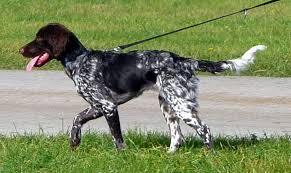
This medium size dog displays a sturdy build, balanced proportions, distinguished head, and upright posture. Its glossy, medium-length coat ranges white, brown, brown roan, and ticked patterns, with webbed feet supporting retrieving and hunting work.
Eyes, ears, muzzle, and tail carriage complement elegant lines and muscular structure. The coats’ density and professional trim ensure durability, physical fitness, and shedding control. Balanced conformation and symmetry reflect Spaniel type traits valued in German origin dogs.
Temperament / Behaviour
The Small Munsterlander shows strong pack instinct, thriving in family life with affectionate, friendly, and playful interaction. Socialization with small pets, children, and guided training ensures confidence, cooperation, and a versatile companion for active families.
Intelligent, trainable, and obedient, it exhibits loyalty, mental stimulation, and positive reinforcement responsiveness. Its outgoing, energetic, and interactive behavior requires daily exercise, canine sports, and bonding activities, making it adaptable, smart, and family-oriented, supporting hunting instincts naturally.
Exercise & Training
Regular daily exercise and mental stimulation enhance intelligence, tracking, and retrieval instincts. Agility, field trials, obedience drills, and short training sessions promote cognitive engagement, physical development, and active lifestyles in sport dogs, with problem-solving skills.
Training with voice commands and hand signals ensures calm indoors while high energy, walks, runs, swimming, and fieldwork encourage discipline, skill development, and sports participation, forming obedient, active, and physically fit dogs for hunting and outdoor activity.
Grooming & Care
Occasional brushing, weekly brushing, and professional grooming maintain coat health, texture, and water-repellent coat properties. Nail care, ear cleaning, trim feathers, and shedding control are essential, ensuring hygiene, cleanliness, and grooming routine consistency for medium-length coats.
Using proper grooming tools and a maintenance schedule enhances coat sheen, longevity, and health monitoring, while managing hair, professional trim, and coat care practices to support water-repellency and hygiene maintenance, maintaining a healthy, well-cared dog appearance.
Health & Lifespan
The Small Munsterlander typically experiences no major issues, with a 12–14 years lifespan. Moderate grooming, daily exercise, ear care, swimming, and nutrition supervision maintain physical fitness, robust stamina, and health while preventing disease.
Regular veterinary care, preventive measures, exercise monitoring, and dental health optimize longevity, wellness, preventive healthcare, and conditioned body status, producing active, energetic, and robust medium-sized dogs with excellent disease resistance, supporting a healthy, fit, and well-cared lifestyle.
Breed Standards
Measurements, coat, head, body, color, size, gait, and facial features are evaluated for proportion, symmetry, Spaniel type, structure, and posture in breed recognition. Tail carriage, coat density, texture, and markings ensure conformance, evaluation criteria, and pedigree verification.
Show dogs are judged on balance, breed traits, official standard, limb structure, field trial performance, and competitive standards, validating hunting dog abilities, sporting dog function, and working traits, while assessing color patterns and coat length to maintain breed evaluation consistency.
FAQ: What is the temperament of a Small Munsterlander?
Affectionate, intelligent, and loyal, these hunting companions enjoy family bonding, socialization, and obedience training. Friendly, playful, and active, they support mental and physical stimulation, problem-solving, and positive reinforcement, remaining alert, cooperative, and adaptable.
Their versatile companion traits, engagement, interaction, and smart behavior make them family-friendly, responsive, and protective. Hunting instincts, loyal companion, and companionship emphasize friendly temperament, ensuring safe interaction, consistent training, and energetic engagement with active families.
FAQ: How much exercise do they need?
Lots of daily exercise, including walks, runs, and swimming, ensures high activity, physical fitness, and endurance. Hunting activity, field work, and canine sports maintain stamina, energy release, and cognitive engagement while enhancing skill development.
Obedience drills, training games, and mental stimulation support exercise routines, vigorous activity, and energy management, allowing active dogs to thrive outdoors. Daily walks, field exercises, and sport dog participation foster physical activity, outdoor engagement, and healthy active lifestyles.
FAQ: Are they good with kids and other pets?
Good with kids and pets, these dogs benefit from early training, socialization, and positive reinforcement. Affectionate, playful, and adaptable, they support bonding, cooperative interaction, pack instinct, and family-oriented lifestyles while fostering safe interaction.
Environment adaptation, gentle handling, training, and companionship enhance versatile companion traits. Children-friendly, pet-friendly, and loyal, these dogs are alert, sensitive, and friendly, demonstrating playful behavior, consistent supervision, and strong family life integration, ensuring happy households.
FAQ: Do they bark a lot?
Bark behavior is influenced by training, hunting instincts, and stimulation. Controlled barking, positive reinforcement, and behavioral management ensure appropriate behavior, reducing attention-seeking, alertness, and unnecessary vocalization, while maintaining active engagement and social interaction.
Supervision, correction, and training consistency are critical for obedience, dog communication, and energy release. Behavioral guidance, mental stimulation, and hunting dog instincts encourage proper vocal response, social behavior, and temperament, producing well-mannered, alert, and engaged companions.
FAQ: What is their lifespan?
Lifespan averages 12–14 years, with preventive care, veterinary check-ups, nutrition, exercise, and mental stimulation ensuring robust, healthy, and active lives. Physical activity, grooming, and disease prevention optimize longevity, fitness, and general wellness, supporting hereditary traits.
Monitoring coat care, dental care, hydration, stamina, and preventive measures enhances health monitoring, producing well-cared, energetic, and healthy medium-sized dogs. Consistent exercise monitoring and overall health management ensure long-lived, fit, and vital Small Munsterlanders for active families.