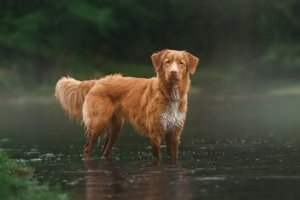
The Nova Scotia Duck Tolling Retriever, or Toller, is a medium-sized retriever with a water repellent coat, soft undercoat, and webbed feet. Its red to orange coloration, feathering, and white markings make it agile, active, and alert.
This energetic retriever combines intelligence, playful behavior, and strong retrieving instincts. Developed to toll and retrieve waterfowl, it is an ideal companion for active families, affectionate with children, and highly trainable, displaying outgoing, friendly, and loving temperaments in sporting and household environments.
History & Origins
Originating in Little River Harbour, Nova Scotia, during the 19th century, the breed was initially called the Little River Duck Dog or Yarmouth Toller. Developed in Canada, it was recognized by the Canadian Kennel Club in 1945.
Officially added to the American Kennel Club in 2003, the Toller’s name derives from Middle English “toll”, meaning to lure. The breed’s playful shorelines antics attract waterfowl for hunters, highlighting its intelligence, natural instincts, and specialized hunting abilities, making it a distinctive sporting dog.
Breed calculator · Toller
Nova Scotia Duck Tolling Retriever
Puppy Weight Calculator
Enter your Toller puppy's current age and weight to estimate its adult weight, then see how that projects across the first 18 months.
Estimated adult weight
—
—
Projected growth curve
Milestone weight table, based on your estimate
Age % of adult weight Projected weight
Breed calculator · Toller
Nova Scotia Duck Tolling Retriever
Puppy Weight Calculator
Enter your Toller puppy's current age and weight to estimate its adult weight, then see how that projects across the first 18 months.
Estimated adult weight
—
—
Projected growth curve
Milestone weight table, based on your estimate
| Age | % of adult weight | Projected weight |
|---|
Appearance & Size
The Toller has a medium-length double coat with soft undercoat, typically red or orange, often featuring white markings on chest, feet, face, or tail tip. Standing 17–21 inches and weighing 35–50 pounds, it is the smallest retriever breed.
Distinctive traits include webbed feet, water-repellent coat, and feathering on legs and tail, supporting swimming, retrieving, and hunting tasks. Its athletic build, alert eyes, well-proportioned body, and agile movement allow versatility in sporting environments, while maintaining medium-sized retriever characteristics.
Temperament & Behavior
Nova Scotia Tollers are smart, energetic, affectionate, and outgoing, excelling in family environments and socialization. Highly active, they enjoy vigorous exercise, retrieving, and dog sports, remaining friendly, patient with children, and playful in household settings.
Bred for hunting, Tollers are eager to please, showing strong retrieving instincts and obedience, thriving in agility or obedience trials. Some exhibit a high-pitched “Toller scream”, reflecting alertness, enthusiasm, and mental engagement, emphasizing their intelligence, cooperation, and loyal companionship.
Care & Exercise
Tollers require 1–2 hours of daily physical activity, including running, swimming, retrieving, and dog sports. Their high energy demands consistent engagement through outdoor play and exercise routines, promoting stamina, fitness, and mental stimulation.
Grooming is moderate, with weekly brushing sufficient outside shedding seasons. During heavy shedding, frequent grooming preserves coat health, water repellency, and cleanliness. Regular care ensures athletic performance, longevity, and a well-maintained coat, supporting health, appearance, and overall well-being of active Tollers.
Unique Information
The Toller’s stamina, endurance, and retrieving ability make it excellent for waterfowl hunting and upland game. Minimal formal training leverages natural instincts and intelligence, producing versatile working dogs that are also loyal family companions.
This medium-sized sporting dog combines agility, alertness, and enthusiasm, thriving in active households. Its energetic nature, quick reflexes, and determined work ethic ensure efficiency in hunting, retrieving, and obedience tasks, while providing playful, affectionate companionship for children and adults alike.
1. What is a Nova Scotia Retriever?
The Nova Scotia Duck Tolling Retriever, also called a Toller, is a medium-sized retriever developed in Nova Scotia, Canada. Highly intelligent, energetic, affectionate, and outgoing, it combines sporting instincts with friendly behavior, ideal for active families.
This retriever is playful, obedient, and a loyal companion. Its alertness, enthusiasm, and trainable nature make it suitable for obedience training, family interaction, and dog sports, while mental stimulation and exercise ensure healthy, engaged, and happy dogs.
2. How big do Nova Scotia Retrievers get?
The Nova Scotia Duck Tolling Retriever typically reaches 17–21 inches tall at the shoulder, weighing approximately 35–50 pounds (16–23 kg). As the smallest retriever breed, it balances athletic ability, energy, and adaptability, suitable for hunting and household environments.
Despite its medium size, this retriever is strong, agile, and versatile. Its compact build, muscular frame, and active lifestyle enable efficient fieldwork, retrieving, and outdoor activity, providing both stamina and loyal companionship in family settings and sporting contexts.
3. What colors do Tollers come in?
Tollers generally have red or orange coats, often with white markings on the chest, feet, face, or tail tip. Their distinctive coloring aids visibility, recognition, and breed identification, while supporting aesthetic appeal and hunting efficiency.
The medium-length double coat and feathering enhance water-repellent qualities, allowing swimming, retrieving, and active fieldwork. Intelligent, energetic, and quick, Tollers remain playful companions for families, while displaying alertness, agility, and adaptability in sporting or household environments.
4. Are Nova Scotia Retrievers good with kids?
Yes, Tollers are affectionate, playful, and patient, making them ideal for children and other pets. Their friendly temperament, socialization, and family-oriented behavior ensure safe interaction, while supporting mental stimulation and outdoor activities.
These retrievers enjoy bonding, obedience training, and guided activities, fostering confidence and cooperation. Their energetic and loyal nature allows them to thrive in family households, combining hunting instincts with playful behavior, while maintaining friendly, responsive, and adaptable companionship.
5. How much exercise does a Toller need?
Tollers require at least 1–2 hours of physical activity daily, including running, swimming, retrieving, and dog sports. Mental stimulation, outdoor activity, and exercise monitoring promote fitness, stamina, and overall well-being, supporting high-energy lifestyles.
Regular fieldwork, play, and training games maintain endurance, agility, and alertness, while enhancing retrieving skills, obedience, and sporting performance. Active families benefit from the Toller’s playful, intelligent, and adaptable nature, ensuring engagement and healthy activity daily.
6. Do Tollers need special grooming?
Moderate grooming with weekly brushing is sufficient outside shedding seasons. During heavy shedding, frequent brushing maintains coat health, water repellency, and appearance, ensuring durability, longevity, and cleanliness, supporting active lifestyles and sporting activities.
Their double coat, feathering, and medium-length undercoat require regular care, including nail trimming and ear cleaning. Proper maintenance ensures athletic performance, family compatibility, and longevity, while supporting adaptability, mental engagement, and the retriever’s natural instincts for hunting or play.
7. Why is it called a “Toller”?
The term “Toller” comes from Middle English “to toll”, meaning to lure or entice. Tollers attract waterfowl by playful shoreline movements, retrieving birds efficiently and demonstrating natural instincts, sporting skills, and quick intelligence.
These retrievers were bred for hunting efficiency, combining alertness, agility, and energy. Their playful, outgoing, and enthusiastic nature highlights their retrieving skills, obedience, and family compatibility, making them exceptional companions for both sporting tasks and household interaction