The Large Munsterlander exhibits intelligence and loyalty, thriving in family-friendly homes with active routines. Their versatile, trainable, athletic nature allows fieldwork, hunting, and mental stimulation, blending obedience, companionship, and outdoor activities naturally for gundog enthusiasts.
Hunting waterfowl, upland birds, or game, these medium-to-large, long coat dogs display liver and white markings, offering socialization, playtime, and energy. Consistent training, reward-based methods, structured routines, and patience enhance obedience competitions while promoting 12–14 years lifespan effectively.
Appearance
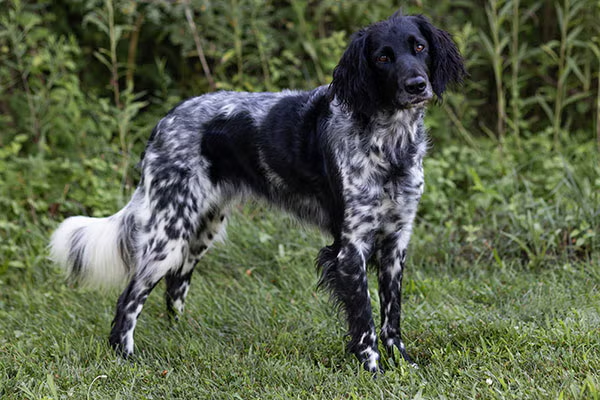
Athletic build, symmetrical, and well-proportioned, the Large Munsterlander features an elegant, sturdy frame. Head slightly rounded, expressive eyes, and long tail with feathered ends complement dense, medium-length, water-resistant coat in liver, white, ticking, or patches.
Males weigh 55–70 lbs (25–32 kg), females 45–60 lbs (20–27 kg). Height reaches 23–26 inches (58–66 cm) at shoulder, supporting endurance for hunting and outdoor activities, providing athleticism and functionality.
Temperament
Friendly, gentle, and highly intelligent, the breed is trainable using consistent, positive reinforcement. Devoted to family, including children, while reserved with strangers, these active households dogs excel in mental stimulation, physical activity, alertness, and loyalty.
Their calm demeanor ensures a balanced companion, capable of obedience and socialization. Hunting drive enhances responsiveness outdoors, while maintaining safety and interaction in homes, creating a truly family-friendly, adaptable canine personality.
Exercise Needs
Daily exercise with walks, playtime, and mental challenges keeps the Large Munsterlander balanced. Training, scent games, swimming, and running complement hunting trials, agility exercises, and other outdoor activities, ensuring physical activity and behavioral health.
Providing stimulation prevents boredom while sustaining an active lifestyle. These energetic dogs thrive when their exercise routines are consistent, enriching their mental stimulation and physical engagement in structured, daily outdoor activities.
Training
Intelligent learners require early socialization, consistent training, and positive reinforcement. Employing patience, reward-based methods, and structured routines ensures mastery of commands, obedience competitions, and fieldwork, fostering mental stimulation, and canine learning.
Practical training enhances obedience, learning, and overall behavior, emphasizing canine training techniques. Properly structured sessions create confident, responsive dogs, capable of fieldwork, obedience, and reward-based learning, blending discipline with enjoyment effectively.
Health
Generally healthy, the Large Munsterlander can experience hip dysplasia, elbow dysplasia, or ear infections due to floppy ears. Maintaining preventive care, veterinary check-ups, and balanced diet ensures longevity.
Proper grooming, medical care, and attention to hereditary conditions safeguard health. With lifespan 12–14 years, these canine companions thrive under canine health routines, combining preventive practices and dog health measures effectively.
Grooming
Medium-length coat requires brushing to prevent tangles and matting. Regular baths, nail trimming, and ear cleaning maintain hygiene while moderate shedding occurs in spring and fall, emphasizing coat maintenance.
Routine grooming supports fur care, canine hygiene, and overall canine care. Structured grooming routines reduce shedding, preserving the beauty, health, and well-being of this medium-to-large breed, ensuring clean, soft coat throughout the year.
Family Suitability
Families benefit from dogs providing exercise, attention, and structured training. Proper socialization with children, pets, and households ensures loyal, protective, and family-friendly companionship. Active homes encourage interaction, social needs, and positive canine relationships.
Companionship, household integration, and responsible engagement enhance family-friendly life. These dogs thrive in active homes, offering loyalty, protection, and interaction while supporting the socialization, training, and exercise needs of children and adults alike.
Q: Are Large Munsterlanders Good For Apartment Living?
Active dogs need sufficient space and daily activity to stay healthy. Proper training and adaptation help them navigate indoor environments, making home suitability possible while maintaining obedience, mental stimulation, and contentment in active family settings.
With consistent routines, exercise, and attention, these dogs thrive in smaller spaces. Structured playtime, engagement, and family interaction balance active family lifestyles, allowing Large Munsterlanders to stay happy, calm, and well-adjusted while respecting the limits of apartment living.
Q: How Much Grooming Do They Need?
Routine brush sessions, bathing, and weekly maintenance keep coat health optimal. Medium-length hair requires tangles prevention, proper hygiene care, and grooming routines to reduce shedding, ensuring the dog’s hair, coat, and general canine hygiene remain pristine.
Regular attention to nails, ears, and coat complements grooming. Consistent practices safeguard cleanliness, prevent matting, and enhance overall well-being, helping Large Munsterlanders maintain a polished appearance while keeping them comfortable and ready for both indoor and outdoor activity.
Q: Do They Have A Strong Hunting Instinct?
Their natural hunting instinct drives gundog behaviors such as tracking, retrieving, and pursuing birds, game, or waterfowl. Proper scent-based training and hunting trials enable controlled activity while expressing instinct safely and productively in fieldwork.
Engaging in fieldwork, outdoor activities, and structured training hones natural instincts, strengthens physical skills, and provides mental challenge. This balance allows Large Munsterlanders to remain focused, energetic, and obedient while satisfying their hunting drive safely at home or in controlled environments.
Q: Are They Good With Children?
Gentle, loyal, and protective, these dogs integrate seamlessly into family settings. Early socialization with children, pets, and household members encourages positive interaction, companionship, and consistent training, fostering secure, harmonious relationships.
With responsible guidance, these dogs exhibit patience and care during playtime and daily routines. Structured socialization, attention to children’s safety, and family engagement ensure a balanced environment where Large Munsterlanders develop strong bonds while maintaining obedience and loyalty.
Q: How Much Exercise Do They Need Daily?
Consistent exercise, structured playtime, and mental stimulation maintain balance and prevent boredom. Regular walks, agility, and outdoor training support healthy physical activity, reduce behavioral issues, and satisfy natural instincts, ensuring engagement and vitality.
Daily routines incorporating structured exercise, outdoor activities, and interactive challenges strengthen fitness, behavior, and mental sharpness. Providing these opportunities allows Large Munsterlanders to thrive in active family lifestyles, promoting health, happiness, and overall well-being.