The Large French Pointer, also called the Braque Français (Gascogne type), combines intelligence, endurance, and athleticism. Developed for pointing and retrieving game birds, it remains loyal, elegant, and highly versatile for hunters and active families across varied outdoor terrains.
With roots in southern France and a history spanning centuries, this breed exemplifies strength, agility, and affectionate temperament. Its robust yet graceful physique allows long hours in the field, while forming strong family bonds, reflecting a unique balance of performance and companionship.
Appearance
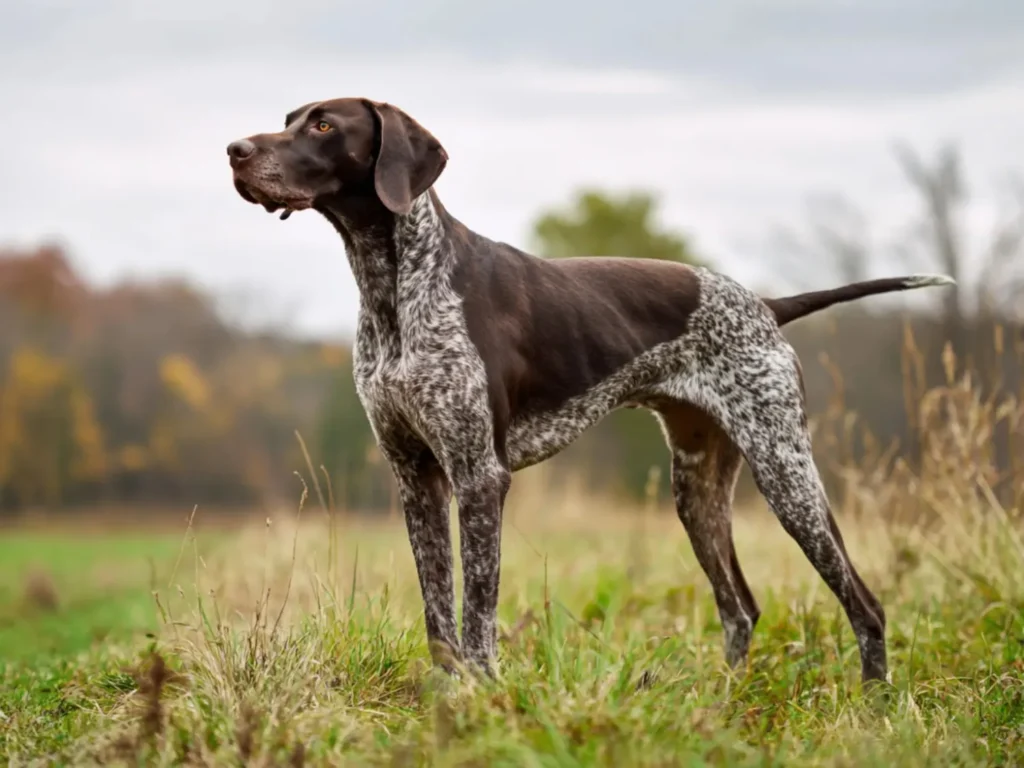
The Large French Pointer displays a muscular, well-proportioned frame with short, dense coat patterns, including chestnut, white, or roan. Its expressive eyes, straight muzzle, and long ears emphasize strength, elegance, and endurance across diverse hunting terrains efficiently.
The breed’s tail is usually docked, reflecting tradition. Males reach 58–66 cm, females 56–62 cm, weighing 20–32 kg. Their movement is fluid, with muscular legs and deep chest, designed for long hours outdoors, combining agility, stamina, and alertness with confident, natural poise.
Breed calculator
Large French Pointer
Puppy Weight Calculator
Enter your puppy's current age and weight to estimate its adult weight and see a projected growth chart.
Estimated adult weight
—
—
Projected growth curve
Milestone weight table, based on your estimate
| Age | % of adult weight | Projected weight |
|---|
Temperament and Personality
The Large French Pointer is intelligent, loyal, and affectionate, forming strong family bonds. Gentle with children, it thrives in active households. Reserved with strangers, the breed rarely shows aggression but always maintains alertness during outdoor activities.
With high prey drive, it requires daily physical and mental stimulation, including walks, play, and agility. Positive reinforcement ensures responsiveness, while inconsistent handling can harm confidence. Their training reflects patience, adaptability, and a natural inclination toward cooperative hunting behavior.
History
Originating in southern France, the breed descends from medieval pointers used for falconry and bird hunting. Generations refined size, hunting ability, and temperament, creating the modern Large (Gascogne) type recognized officially by breed clubs in 1975.
Praised for endurance, agility, and pointing skills, this breed historically worked long hours in the field. Its lineage embodies centuries of selective breeding for performance, combining practicality with elegance, making it a versatile gundog still appreciated by hunters and dog enthusiasts globally.
Exercise and Activity Needs
This high-energy breed demands 1–2 hours of daily exercise, including walks, hunting, scent work, and structured play. Physical and mental stimulation prevents boredom and promotes wellbeing, maintaining natural instincts like tracking and pointing effectively.
Off-leash activity requires a fenced yard due to hunting drive. Agility training and fieldwork are ideal. Without sufficient activity, behavioral issues such as restlessness, barking, or destructive tendencies may emerge. Regular engagement ensures the breed remains happy, confident, and well-adjusted.
Grooming
The short coat is low-maintenance, benefiting from weekly brushing to remove loose hair. Occasional baths preserve natural oils. Ears require inspection and cleaning after outdoor exposure. Nails need trimming, and teeth should be brushed for hygiene consistently.
Grooming ensures the dog’s appearance and prevents health issues. Minimal care demands make the breed ideal for families seeking active companionship without intensive maintenance. The routine supports coat health, cleanliness, and comfort throughout the year, complementing their natural elegance and durability.
Health
The Large French Pointer lives 10–12 years. Responsible breeding reduces risks of hip dysplasia, ear infections, or eye conditions. Balanced diet, proper exercise, and regular veterinary care are crucial for long-term wellbeing and fitness.
Monitoring for subtle signs of discomfort ensures early intervention. Preventive care, including diet management and check-ups, maintains vitality. Overall, this breed combines robustness with grace, making it a healthy and resilient companion for hunters and active families alike, emphasizing preventive measures and attentive ownership.
Suitability for Families
Ideal for active families, the Large French Pointer enjoys outdoor adventures, running, and playtime. Affectionate with children and other dogs, early socialization ensures confidence and good behavior, creating a harmonious household environment filled with companionship.
This breed thrives with mental and physical stimulation. Families providing space to roam, daily engagement, and structured activities cultivate loyalty, contentment, and joy. Its gentle nature and adventurous spirit make it both a dependable friend and an energetic, playful addition to the home.
Q1: How Big Do Large French Pointers Get?
Males typically reach 58–66 cm, females 56–62 cm, weighing 20–32 kg. Their muscular legs and deep chest provide a strong frame, while fluid movement ensures stamina, agility, and endurance for extended hunting sessions or active family lifestyles in outdoor environments.
Their proportions support fieldwork, reflecting natural elegance and resilience. The breed’s confident posture, expressive eyes, and smooth gait demonstrate balanced power. These features combine strength, efficiency, and grace, making the Large French Pointer a versatile companion for hunters and families alike.
Q2: Are Large French Pointers Good Family Pets?
Yes, they are loyal, affectionate, and gentle, bonding strongly with family members. Daily exercise and mental stimulation maintain their happiness, prevent boredom, and promote healthy behavior, supporting confident integration into household life with children and other pets safely.
Friendly and playful, they balance active outdoor adventures with calm domestic interactions. Their adaptable personality ensures social harmony while retaining natural hunting instincts, making them dependable companions for families seeking energetic, intelligent, and responsive canine partners across different environments.
Q3: How Much Exercise Do They Need?
At least 1–2 hours daily of walks, play, hunting, or scent exercises keeps the Large French Pointer healthy. Structured activities engage the mind and body, reinforcing obedience, coordination, and natural pointing instincts during exercise routines consistently.
Without sufficient activity, behavioral challenges such as restlessness or anxiety can arise. Regular stimulation strengthens fitness, focus, and confidence while nurturing endurance and agility. Consistent engagement ensures this breed thrives physically and mentally, creating a happy, well-behaved, and balanced companion.
Q4: What Colors Do They Come In?
Common colors include chestnut brown, white, and brown and white roan patterns, all providing natural camouflage during hunting. Coat variations occur due to breeding, but traditional elegance and functional aesthetics are maintained throughout the dog’s appearance consistently.
Color patterns contribute to individuality while reflecting heritage traits from southern France. These markings enhance field performance and visual appeal, balancing beauty and practicality. The breed’s distinctive colors complement its muscular build, alert posture, and confident presence during outdoor activities or family interaction.
Q5: Do They Require Special Grooming?
Weekly brushing, occasional baths, ear cleaning, nail trimming, and dental care are sufficient. These routines maintain hygiene, coat health, and natural oils while supporting long-term comfort and enhancing the breed’s inherent elegance and resilience effectively.
Minimal grooming effort is required compared to other breeds. Regular maintenance prevents infections and discomfort, reinforcing wellness. A consistent schedule ensures the dog remains presentable, healthy, and pleasant to interact with, sustaining both appearance and physical well-being in daily life.
Q6: Are Large French Pointers Easy to Train?
They respond best to positive reinforcement and consistent training. Harsh methods reduce confidence, while patient guidance strengthens adaptability, obedience, and cooperation. Their intelligence, focus, and willingness facilitate learning hunting skills, agility, and family-oriented commands efficiently.
Training sessions should combine mental challenges and physical activity to reinforce learning. When handled kindly, they excel in problem-solving, responsiveness, and task completion. The breed thrives on structured engagement, building strong communication between dog and handler, enhancing trust and consistency.
Q7: What Health Issues Should Owners Watch For?
Potential concerns include hip dysplasia, ear infections, and eye conditions, though responsible breeding reduces risks. Preventive care, proper nutrition, and routine veterinary visits maintain overall health, vitality, and performance in both hunting and family environments consistently.
Observing behavior, gait, and energy levels allows early detection of problems. Regular checkups and attentive ownership preserve long-term wellness, supporting a robust and resilient Large French Pointer. Their natural endurance complements proactive health practices for lasting vitality and enjoyment.