The French Spaniel embodies heritage and tradition, reflecting centuries of domestication and selective breeding programs. Its lineage preservation and pedigree documentation highlight historical references, ensuring this sporting dog maintains ancestry and cultural heritage significance for enthusiasts worldwide.
With aristocracy origins and a working dog reputation, the French Spaniel demonstrates canine history, heritage breeds, and hunting culture. Recognition by breed clubs promotes preservation, genealogical records, and breed longevity, connecting international spread with revival efforts and enduring lineage.
History
The French Spaniel survived near extinction due to world wars but found revival through breed clubs and genealogical records. Father Fournier influenced heritage preservation, while pedigree tracking ensured lineage continuity among enthusiasts promoting domestication and hunting traditions.
Early 19th century literature and engravings document the European spaniels’ aristocracy connections. By 1891, crossbreeding with local dogs diversified working dog traits. Mid-20th century efforts enabled international spread, supporting heritage breeds conservation, fostering club formation, and guiding worldwide development for recognition by Canadian breed clubs.
Breed calculator
French Spaniel Weight Chart Calculator – Puppy & Adult
Puppy Weight Calculator
Enter your puppy's current age and weight to estimate its adult weight and see a projected growth chart.
Estimated adult weight
—
—
Projected growth curve
Milestone weight table, based on your estimate
| Age | % of adult weight | Projected weight |
|---|
Appearance and Physical Characteristics
The French Spaniel presents a medium-sized, elegant, muscular build with proportions longer than tall. Strong bone, robust structure, and quadruped canine morphology highlight physicality, endurance, and structural balance, demonstrating athleticism, gait, and movement patterns in both fieldwork and sporting activities.
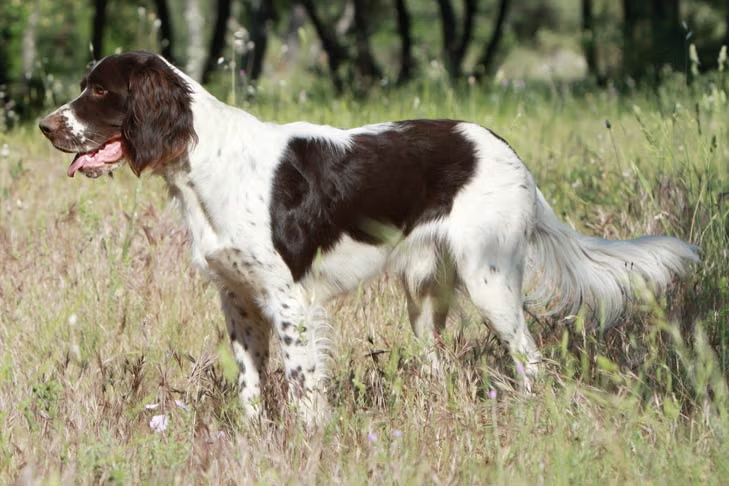
Its medium-length coat can be flat or wavy, featuring white, brown patches, ticking, and roan. Ears with wavy hair fringes, dark amber eyes, tail set, and chest symmetry create balanced appearance, while limbs, posture, and facial features reflect working dog capabilities.
Temperament and Personality
The French Spaniel exhibits a calm, balanced, and gentle demeanor. Highly sociable with people and dogs, it thrives in family life, showing adaptable, affectionate, and playful traits. Canine intelligence, loyalty, and trainability ensure stable personality and behavior.
Its temperament traits support cooperative interaction, moderate energy, and low reactivity. Consistent training and gentle methods foster obedience, socialization, and human companionship. Steady, amiable, and responsive behavior reflects companion dog reliability and working dog versatility in various behavioral patterns.
Training And Hunting Abilities
From field handling, I value the French Spaniel as a working dog whose cooperative, intelligent nature turns obedience into quiet teamwork, supported by positive reinforcement, steady behavior, and reliable response during cover searches with patience.
In practical hunting days, its endurance, fitness, exercise routine, and mental activity matter more than flash; good veterinary oversight, nutrition, grooming, and active lifestyle keep stamina honest across weather and terrain during long retrieves seasonally.
Health And Lifespan
Long life in the French Spaniel, Cocker Spaniel, English Springer Spaniel, German Spaniel, Field Spaniel, and Clumber Spaniel starts less with luck than with consistent habits: controlled physical activity, clean hygiene, steady grooming, and sensible maintenance that keep an active dog comfortable through changing seasons and routines.
I notice healthier spaniels age best when walking, running, and training are balanced with rest; their calm, cooperative, intelligent nature supports positive reinforcement, safer behavior, and a steadier response during lifelong care at home daily.
Coat And Grooming
Good coat work starts after movement, not before; a calm French Spaniel returns from walking with burrs easier to find, while daily checks around fur, coat, and shedding prevent small irritations from becoming problems later.
For homes with canine allergens, I advise honest expectations: this breed is not hypoallergenic, yet active owners using steady handling, positive reinforcement, and patient behavior routines can make grooming feel ordinary, not stressful, for dogs.
Breed Recognition And Clubs
Club discussions often begin with type: a Medium French Spaniel, usually 54–61 cm and 20–27 kg, should show balanced body structure, useful stature, and practical proportions before judges discuss certificates or records.
In breed circles, temperament matters beside paperwork; active owners who train with consistent canine training often present a family dog with calm manners, not excessive barking, and steady adaptability around gatherings.
How Big Is A French Spaniel?
In handling, the French Spaniel feels mid-sized, never bulky; active owners notice its frame suits walking, light running, and exercise, while calm temperament, moderate energy, and adaptability keep it practical as a family dog.
Are They Good For First-Time Owners?
Yes, first-time owners can manage this breed when daily walking, mental activity, and training are planned; its calm, cooperative, intelligent nature responds to positive reinforcement, making behavior easier to shape without pressure for patient homes.
Do They Bark A Lot?
No, French Spaniels usually bark with purpose, not habit; with daily walking, mental activity, and fair training, their intelligent, cooperative nature shows controlled behavior, a quieter response, and steadier household manners.
Are They Hypoallergenic?
No, French Spaniels are not ideal for allergy-sensitive homes; daily walking, measured physical activity, and steady training help manage loose debris, while cooperative, intelligent handling makes cleaning routines easier indoors for families.
How Much Exercise Do They Need?
Most French Spaniels need movement that feels purposeful; I pair field games with obedience, short retrieves, and positive reinforcement, because an intelligent, cooperative dog learns faster when behavior, response, and trainability are shaped through learning.
Are They Easy To Train?
Training improves when their daily rhythm includes 1–1.5 hours of purposeful physical activity; after walking, controlled running, and calm mental activity, the French Spaniel’s energy settles, making each exercise routine support steadier training sessions.