Field people often underrate this versatile retriever until its field performance, persistence, and endurance show up together. This old retriever breed carries a proud nature, not flash, making judgment slower but deeper in real work.
In homes, I read the short curly coat, alert expression, and graceful build as practical signals: a working dog needing daily exercise, mental stimulation, and early socialization, yet still offering family companionship when guided well.
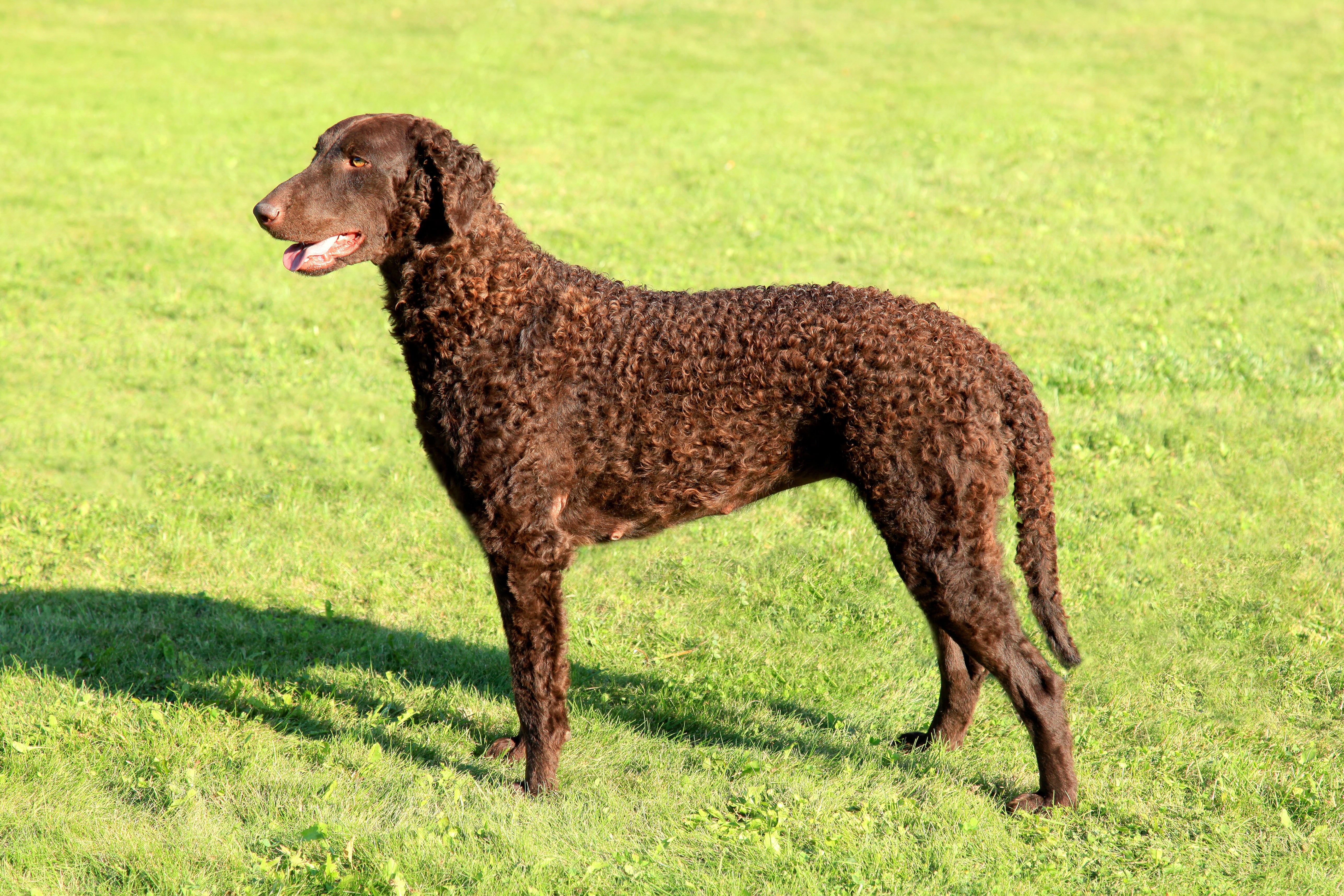
Breed Overview / General Appearance / About
In practice, the breed feels less ornamental than many expect: an even-tempered athlete shaped by England, working history, and gundog heritage, with high energy, weather protection, and a quietly serious family companion side.
Its outline makes sense after handling one outdoors: dense coat, solid colour, body size, and active temperament support swimming, retrieving, and field work, while intelligence, patience, and consistency shape everyday behaviour.
Breed calculator
Curly-Coated Retriever Adult Weight Calculator
Puppy Weight Calculator
Enter your puppy's current age and weight to estimate its adult weight and see a projected growth chart.
Estimated adult weight
—
—
Projected growth curve
Milestone weight table, based on your estimate
| Age | % of adult weight | Projected weight |
|---|
Temperament / Personality / Characteristics
Temperament becomes clearest off-leash: this dog respects calm structure, then offers social confidence, family manners, and steady choices. I have seen positive reinforcement uncover a responsive learner faster than pressure ever could during practice sessions.
Personality can look distant at first, yet that stranger reserve often hides careful judgment, not coldness. Give mental enrichment, game-based training, and boredom prevention, and the independent streak becomes useful focus rather than mischief.
Exercise / Living Needs / What To Expect
A Curly feels settled only when its day has purpose: long walks, play sessions, and physical activity before household calm. In my experience, yard space helps, but structure matters more than simple freedom does.
For owners, the real lifestyle fit appears after rain, boredom, and busy weeks. This is still a sporting dog; mental challenge, obedience, and working ability keep its body useful and mind balanced.
Training / Intelligence / Socialization
Training works best when you respect heritage first: purpose-bred dogs, retrieving breeds, and field ability think through tasks differently. I shape lessons around calm repetition, short recalls, and small wins before expecting polished control.
Socialization should begin before the new home feels routine. A responsible breeder, honest buyer lifestyle review, and steady puppy socialization make later manners easier, while breed education and responsible ownership keep expectations realistic.
Coat / Grooming / Shedding / Coat Care
A good Curly coat should look managed, not sculpted; routine brushing removes dead hair, while dampening coat can settle frizz after outdoor work. I watch curl formation before judging overall natural appearance.
For upkeep, the hands tell more than a comb: small crisp curls, tight curls, and an oily coat explain water resistance. Check ears, nails, and teeth regularly, especially as the adult coat develops.
Health / Health Testing / Common Health Concerns
Health planning begins before symptoms: health testing, hip scoring, elbow scoring, and eye testing help separate noise from real risk. I also value genetic diversity because narrow choices can quietly magnify problems in kennels, too.
A practical owner watches patterns, not panic. Ask about EIC, PRA, GSD, hip dysplasia, elbow dysplasia, GDV, bloat, epilepsy, and seizures, then compare records through health databases instead of relying on confident guesses.
History / Origin / Breed Development
The breed’s story feels practical, not romantic: water breeds, old English water dog, and Irish Water Spaniel shaped a worker before shows mattered. I see breed ancestry as function-led, despite undocumented pedigrees confusing details for historians.
Later records give sharper landmarks: first shown in 1860 at Birmingham, then 1960 recognition after war years, Labrador rise, and popularity decline. Those shifts make registration numbers useful evidence, not trivia alone.
Size / Colour / Breed Standard Details
Size reads best in balance, not numbers alone: male height, female height, and height range show proportion. For adults, 26 inches, 24 inches, 27 inches, 25 inches, 69 cm, and 64 cm frame shape.
Colour checks should stay strict but practical: black colour, liver colour, white hairs, and white breast patch need honest reading against the breed standard. I compare male weight, female weight, 60–70 lbs, and colour standard carefully.
Buying A Puppy / Breeder Questions
I start puppy decisions with scarcity, not cuteness: scarce puppies, a waiting list, and vulnerable breed status mean timing matters. Before committing, arrange to visit mother, discuss dam age, and review family health history carefully.
Strong breeder questions go beyond price. Ask for parent health, hip scores, elbow scores, eye testing, EIC testing, PRA testing, GSD IIIa testing, coefficient of inbreeding, and practical rescue contacts before any deposit.
Curly-Coated Retriever Club Information
Good club information should feel useful, not ceremonial. I look for organized breed community, clear historical records, active breed promotion, and meetings that help owners understand the Curly beyond show-ring descriptions.
A strong club also protects future choices through early breed support, modern development, and steady club structure. When registration details, shows, and practical welfare links are clear, newcomers make better decisions.
Curly-Coated Retriever Rescue
Rescue work succeeds when emotion meets screening: breed rescue teams study dogs in need, then search for suitable homes through a careful matching process. I value honest histories over quick placements every single time personally.
Behind each placement, adoption support, foster care, and rehabilitation matter as much as paperwork. When owner surrender happens, steady rescue volunteers protect welfare, guide rehoming, and keep the placement program realistic.
Club History
Club records matter because breed club history shows how 1890 and 1899 shaped early coordination, not nostalgia. In my reading, those dates still explain today’s breed preservation priorities, standards, and community responsibility clearly.
Coat Patterning / Curly Coat Problem
Coat assessment should wait for coat maturity, because puppy coat variation can mislead owners. Between 2–4 years, adult coat development, coat changes, and curl patterning often clarify whether concerns are normal or suspicious.
I take hair loss seriously when bald spots, symmetrical baldness, or unusual baldness appear. Careful coat research, breeder notification, and checking skin condition reduce misdiagnosis, especially around follicular dysplasia and any persistent coat problem.
Disqualifications / Breed Standard Faults
In the ring, a purebred breed is not judged by charm alone; incorrect coat colour, weak retriever type, or missing eye certificates can quietly outweigh movement, even when temperament feels steady at home during assessment.
I also caution buyers that standard faults are not always cosmetic; an unacceptable colours pattern, poor curly coat, or unchecked GSD testing may signal careless breeding more clearly than a confident puppy’s first greeting could.
FAQ 1: Is The Curly-Coated Retriever A Labradoodle Or Poodle Cross?
No, I’d treat that idea as crossbreed confusion rather than breed knowledge. The Curly-Coated Retriever is its own old gundog, recognised for structure, accepted colours, and practical working instinct, not designer-dog background.
In conversations with owners, I hear the same mistake when people notice the coat first. A genuine Curly usually appears in black or liver, with health history mattering far more than casual Poodle assumptions.
FAQ 2: Do Curly-Coated Retrievers Moult?
Yes, Curly-Coated Retrievers do moult, though their coat often surprises new owners. From handling the breed, I notice shedding feels moderate, with dead hair collecting quietly rather than floating everywhere daily.
Their pattern is not identical in every household. A bitch after a litter may drop coat heavily, while changes in season, diet, and grooming rhythm can make the same dog appear tidier.
FAQ 3: What Colours Do Curly-Coated Retrievers Come In?
Curly-Coated Retrievers are beautifully uncomplicated on colour: the breed is recognised in two colours, and that clarity helps judges, breeders, and owners avoid fancy marketing labels that do not belong in serious breed discussion today.
FAQ 4: Are Curly-Coated Retrievers Good With Children?
When I assess a Curly-Coated Retriever breeder, I begin with lifestyle questions, then check family suitability, dam age, number of litters, and sire selection, because these details reveal planning, welfare standards, and honesty very clearly.
FAQ 5: What Should I Ask A Breeder Before Buying A Puppy?
Curly-Coated Retrievers keep colour simple: the breed is recognised in two colours, black or liver. In practice, I check coat depth, shine, and even pigmentation rather than chasing unusual shades or fashionable descriptions.