In field notes, the Braque du Bourbonnais first feels less like a showpiece and more like a practical pointing dog, shaped by France, hunting dog work, calm focus, and steady family companion behavior.
Its value appears when keen nose, pointing instinct, and retrieving desire meet a gentle household temperament. I have seen hunters respect breeds that balance energy outside with affectionate softness indoors daily.
The breed’s identity is not only origin or breed type; it is also rustic, robust, and practical. Its very short coat, medium build, and natural hunting instincts suit active homes.
For readers comparing rare gundogs, the Bourbonnais Pointer stands apart through precision, obedience, and recall. Its historic Bourbonnais region background adds depth without making the dog feel distant or overly ornamental today.
Breed Overview / Key Facts
I often start with structure before instinct; understanding Group 7, Pointing Dogs, and Continental Pointing Dogs explains why this continental pointing dog behaves with disciplined field awareness beyond casual expectations.
What surprises many is how the Braque type classification and breed status on a definitive basis influence selection standards, shaping consistent working traits rather than purely visual preferences in modern breeding programs.
From an analytical lens, the acceptance date of June 29, 1955 and requirement of a working trial reinforce performance validation, proving that this versatile gun dog thrives through verified field capability rather than reputation alone.
Personally, I’ve seen how origin tied to France and historical classification quietly shapes behavior; even today, the pointing dog instinct reflects controlled precision, not randomness, rooted deeply within its recognized structural lineage.
Breed calculator
Braque du Bourbonnais Puppy Weight Calculator by Age
Puppy Weight Calculator
Enter your puppy's current age and weight to estimate its adult weight and see a projected growth chart.
Estimated adult weight
—
—
Projected growth curve
Milestone weight table, based on your estimate
| Age | % of adult weight | Projected weight |
|---|
History Of The Breed
Many assume modern stability came first, yet the old rustic French breed identity rooted in modern Allier actually reflects shifts beginning in the late 16th century, with records from 1598 highlighting early functional traits.
What fascinates practitioners is how the breed nearly disappeared during the 1930s, largely due to strict selection for naturally tailless puppies, creating a narrow genetic pool that limited broader working resilience.
Recovery did not happen instantly; four decades later, committed breeders worked to save the breed, focusing on quality litters that balanced form and utility rather than cosmetic perfection alone.
The turning point came when it was officially recognized on June 29, 1955, after acceptance of docked tails and spots as acceptable, helping restore the breed and establish a club formed to protect standards.
Physical Appearance
When judging this breed, I read the head before the body; a pear-shaped outline, moderately marked stop, and broad nose often reveal balance more honestly than first impressions or polished show posing ever can in rings.
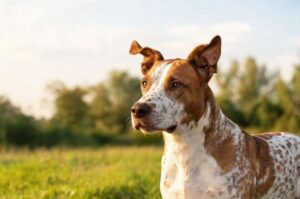
The fine coat and dense coat lie close across the back, with thicker hair subtly present, while white ground, brown ticking, and fawn speckling make practical field camouflage look naturally refined without appearing heavy, flashy, or artificially styled in photographs.
I pay attention to ears because placement changes expression; set near eye level, with a broad base, medium length, and a hang flat finish, they support alert softness during work without disturbing the dog’s quiet, practical silhouette in motion.
The face shows type: eyes seem large, round, expressive, and soft, shifting from hazel to dark amber with coat color, while strong muzzle, wide base, narrowing end, proportionate body, and intelligent presence stay balanced outdoors.
Size And Weight
In practice, structure becomes meaningful when comparing female and male frames, where proportions subtly shift rather than dramatically change, maintaining working balance without exaggeration or distortion in movement or endurance across demanding field routines.
Most handlers notice that 16–22 kg paired with 48–55 cm creates a compact yet capable form, allowing efficient ground coverage while staying responsive, particularly when navigating unpredictable terrain during extended outdoor activity sessions.
On the other side, the 18–25 kg and 51–57 cm range reflects a slightly stronger build, often preferred when consistent stamina and presence are required without sacrificing agility or precise directional control in working scenarios.
From experience, these measurements are less about numbers and more about harmony, where weight and height ranges define how comfortably the dog transitions between controlled indoor behavior and purposeful outdoor performance without strain.
Temperament / Character
What stands out immediately is how intelligent responses blend with passionate drive, yet remain balanced by a naturally tender demeanor, creating a personality that adapts smoothly between focused outdoor tasks and relaxed indoor presence.
In real settings, I’ve observed how interactions with family members and especially children reveal a steady temperament, where patience is not trained but inherent, allowing trust to build without forced behavioral corrections over time.
Socially, the breed maintains harmony with other dogs and even unfamiliar animals, showing controlled curiosity rather than impulsive reactions, which makes integration into varied environments easier compared to more reactive working breeds.
Across daily life, what defines this breed is its role as a reliable companion, not just in function but in emotional presence, maintaining consistency whether engaged in activity or simply sharing quiet moments with its household.
Hunting Ability
In fieldwork, the breed proves itself as a versatile pointing dog not by speed alone, but through judgment, patience, and practical reading of scent, cover, distance, and handler movement across changing conditions daily.
I value how it adjusts across different terrains, from open ground to rough cover, without losing concentration. This adaptability matters because real hunting rarely offers perfect footing, predictable wind, or simple visual direction.
Its response to different game shows controlled determination, where instinct does not become chaos. The dog works with purpose, holding enough discipline to search, pause, and redirect when the situation changes quickly.
A reliable retrieve matters after the point, but tracking becomes even more important with wounded game, where patience, scent memory, and steady movement separate a thoughtful working dog from an excited runner.
Training / Education
What often gets overlooked is how effective training begins with understanding instinct, not controlling it, because forcing structure too early disrupts natural responsiveness and delays the development of reliable working patterns.
In my experience, consistency matters more than intensity; a firm approach does not mean harshness, but clarity, where repetition and timing help shape predictable responses without damaging the dog’s natural confidence.
When developing field ability, focusing on hunting qualities ensures the dog remains purpose-driven, rather than mechanically trained, allowing instinct, learned behavior, and handler communication to merge into a smooth and adaptable working system.
I’ve noticed that balanced education works best when structure and freedom coexist, where discipline guides direction, yet natural behavior is allowed to refine itself through exposure, repetition, and controlled real-world experience over time.
Living Conditions
From what I’ve seen, placement matters more than space alone; the breed adapts between countryside calm and city pressure, but only when its rhythm aligns with structured routines and controlled exposure to changing surroundings.
In a true urban environment, success depends less on confinement and more on providing enough activity, because without movement and engagement, even a balanced dog begins to lose its natural composure over time.
What many overlook is the importance of fresh air combined with purpose-driven outings, where the dog doesn’t just walk but engages mentally, maintaining connection between instinct, awareness, and handler guidance in everyday environments.
Even within structured settings like apartment life, stability can exist if daily activity mimics outdoor freedom, but I’ve consistently found that access to open surroundings remains the most reliable way to maintain long-term behavioral balance.
Health
From a practitioner’s view, resilience shows through solid health, yet attention is required for skin-related conditions like Epidermolysis bullosa, demodectic mange, and vitiligo, which appear unpredictably and require early observation and controlled care routines.
Another overlooked point is classification; despite its durability, the breed is hypoallergenic in reputation for some, yet realistically no, meaning sensitivity management depends on environment, grooming habits, and consistent monitoring of coat and skin response.
Grooming / Maintenance
For this breed, little coat maintenance works only when routine is consistent; after outings through vegetation or wet areas, I always check the ears carefully because field debris hides easily.
A simple rhythm of brushing once a week keeps a clean coat, supports skin health, and helps confirm the ears are checked regularly and cleaned regularly without turning care into overhandling.
Exercise Needs
For this breed, exercise is not optional energy release; it protects physical balance and mental balance, especially when routines include purposeful movement, scent work, and calm recovery instead of repetitive pacing.
In city life, I would never rely on short bathroom walks alone; frequent activities and long daily outings help the dog stay focused, settled, and physically ready for demanding field-style movement.
Price / Budget
When evaluating ownership, I focus less on entry cost and more on long-term planning; the purchase price typically ranges between €600 and €800, but real commitment shows through understanding ongoing care needs.
From experience, overlooking annual maintenance cost creates imbalance, because feeding, health care, and activity management quickly exceed initial spending, making it essential to view cost as a continuous responsibility rather than a one-time investment decision.
Is The Braque Du Bourbonnais A Good Family Dog?
In my experience, the Braque Du Bourbonnais proves a surprisingly good family dog, balancing calm indoor behavior with bursts of energy outdoors, making it suitable for active families who value companionship without overwhelming intensity daily.
For hunting families, its instincts remain sharp, yet training channels them into gentle interactions with children and close family members, becoming a good companion that builds a household rhythm where patience and loyalty naturally coexist.
Is The Braque Du Bourbonnais Good With Children?
From what I’ve observed, structured exercise combined with frequent activity and long daily outings shapes behavior, helping the breed develop physical balance and mental balance, which naturally influences how calmly they interact around children indoors.
Even within apartment life or city life, consistency in daily activity offsets the absence of a countryside environment, and when paired with routines that are easy to groom with little maintenance, children experience a calm, predictable companion.
Does The Braque Du Bourbonnais Need A Lot Of Exercise?
From practical handling, even a seemingly calm Braque reveals its demands through subtle restlessness, especially when ears are ignored and not checked often, reflecting how overlooked stimulation gradually affects both behavior and physical condition indoors.
Historically tied to the historic Bourbonnais region, this breed carries inherited drive; unmanaged routines can surface minor health issues, while understanding overall cost of time investment helps owners maintain balanced energy output and long-term wellbeing.
Can The Braque Du Bourbonnais Live In An Apartment?
From experience, apartment suitability isn’t about space alone; structured routines redefine adaptability, where consistent stimulation replaces outdoor dependency, allowing the Braque Du Bourbonnais to adjust comfortably when owners commit to disciplined engagement and environmental enrichment indoors.
Surprisingly, behavioral stability in compact living emerges from predictable schedules and attentive handling, proving that even traditionally field-oriented breeds can recalibrate their instincts, provided daily structure and owner awareness compensate for reduced roaming opportunities effectively.
Is The Braque Du Bourbonnais Easy To Groom?
From hands-on care routines, grooming this breed feels straightforward, not because it lacks needs, but because consistency simplifies everything; short coats respond well to brushing, and structured maintenance prevents buildup while keeping the dog comfortable daily.
What stands out practically is how minimal effort delivers noticeable results, especially when routine inspections are maintained, allowing owners to stay ahead of hygiene concerns while preserving coat health without turning grooming into a time-consuming obligation.
Is The Braque Du Bourbonnais Hypoallergenic?
From practical breed experience, I would not treat the Braque Du Bourbonnais as hypoallergenic, because even short-coated dogs can release dander, saliva proteins, and loose hair that may bother sensitive owners indoors.
What matters most is household testing before commitment; spending time around the breed helps reveal reactions early, while steady cleaning, brushing, and ventilation can reduce irritation without promising an allergy-safe living environment.
What Is The Origin Of The Braque Du Bourbonnais?
The Braque Du Bourbonnais began as a practical French hunting breed, shaped more by working usefulness than fashion. Its identity developed through rural breeding choices, where pointing skill, scenting ability, and close hunter cooperation mattered most.
Its background also explains the breed’s compact strength and steady temperament. Rather than being created for show alone, it grew from field demands, regional preference, and generations of handlers preserving a naturally responsive gun dog.
What Type Of Dog Is The Braque Du Bourbonnais?
The Braque Du Bourbonnais is best understood as a versatile pointing dog with a practical field mind. It works closely with people, reads direction quickly, and usually prefers partnership over independent wandering during activity.
In daily ownership, this type shows a balanced mix of athletic drive and affectionate steadiness. I see it as a working companion first, then a family dog when its instincts receive structure.
What Health Issues Are Linked With The Braque Du Bourbonnais?
From my observation in working environments, most health issues in the Braque Du Bourbonnais remain manageable when detected early, especially through routine vet checks, balanced diet planning, and controlled activity that prevents strain-related complications over time.
What many overlook is how lifestyle decisions influence long-term resilience; consistent monitoring, responsible breeding awareness, and timely care significantly reduce risks, allowing this breed to maintain strong physical condition without developing frequent or severe health concerns.
How Much Does A Braque Du Bourbonnais Cost?
From a buyer’s view, price is only the starting point; a Braque Du Bourbonnais also requires budgeting for training, food, vet care, grooming tools, and travel, especially when sourcing from a responsible breeder.
I usually advise judging value by health records, temperament testing, and breeder support rather than the lowest offer. A well-raised puppy often saves money later by reducing avoidable behavioral or medical problems.