The Field Spaniel is a medium-sized dog with a gentle and noble expression, boasting a glossy medium coat and feathering across the chest, stomach, and backs of legs. Active, affectionate, it thrives outdoors.
Its sweet temperament blends docile, sensitive, and intelligent traits. Known for dog sports and outdoor activities, this companion exhibits remarkable loyalty. Despite rare number, it offers charm, playfulness, and a friendly, devoted nature in home environments.
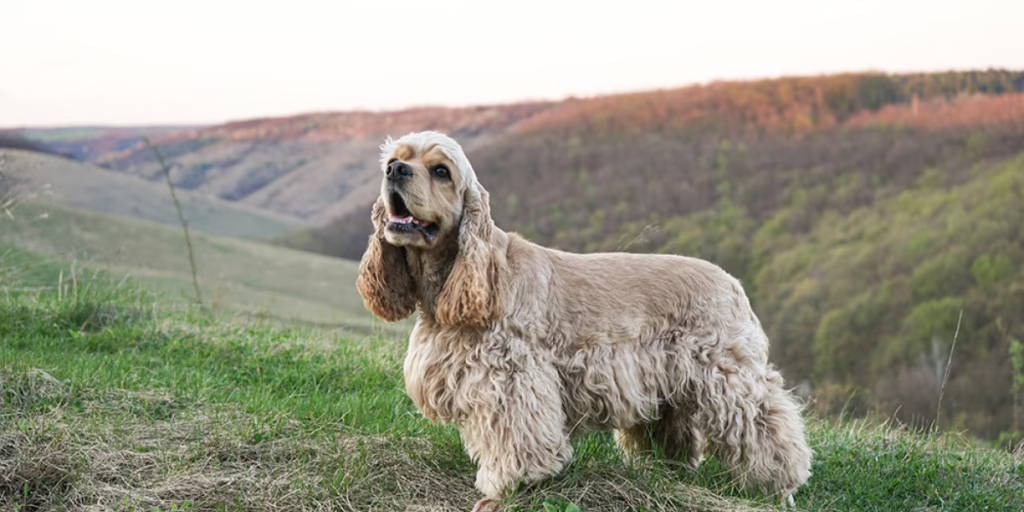
Appearance / Physical Description
The Field Spaniel shows a long coat that is slightly wavy, thick, and glossy, displaying colours like liver, black, and roan with optional tan markings. Males measure 46 cm, females 43 cm, possessing endurance and striking eyes.
Its ears are long and fringed, tail often docked, weight ranges 16–25 kg, height approximately 18 in for males and 17 in for females. This medium-sized dog requires brushing weekly, exuding robust appearance suitable for active environments.
Breed calculator
Field Spaniel Size & Weight Calculator Guide
Puppy Weight Calculator
Enter your puppy's current age and weight to estimate its adult weight and see a projected growth chart.
Estimated adult weight
—
—
Projected growth curve
Milestone weight table, based on your estimate
| Age | % of adult weight | Projected weight |
|---|
Temperament / Personality
The Field Spaniel exhibits friendly, loyal, and obedient behavior, combining calmness with vigorous energy. This docile, mild-mannered dog thrives on exercise and play, demonstrating intelligent, social, and gentle interactions with family members and strangers alike.
With retrieving, field work, and water activities, this companion shows brain, work desire, and active engagement. Its calmer, less busy nature balances enthusiasm, while activity, thrive, playful, and responsiveness make it ideal for obedient, patient, and structured training experiences.
Exercise & Activity Needs
The Field Spaniel requires daily physical activity and mental activities to thrive. Walking, running, and outdoor games combined with dog sports, training sessions, stimulation, and scent games enhance energy, stamina, tracking, and activity level consistently.
Engaging for two hours or more than 2 hours, this energetic companion benefits from varied exercise, including retrieve work, active families, and structured routines. Maintaining significant energy output ensures a balanced routine, healthy exercise, and proper physical activity development.
Training
Breeds like Field Spaniel, Cocker Spaniel, English Springer Spaniel, German Spaniel, French Spaniel, and Clumber Spaniel responds best to gentle training, positive reinforcement, and structured training methods. Early puppyhood exposure to people, places, and situations encourages obedience, learning, commands, and socialisation, making the dog intelligent, motivated, and responsive to guidance.
Consistent training, including recall, retrieving, and interactive toys or treats, builds patience, reinforces behavior, and strengthens bonds. Non-coercive techniques, with repeated activities, enhance early training, structured reinforcement, and responsiveness, ensuring a well-adjusted, obedient, and reliable companion for family environments.
Health & Common Issues
The Field Spaniel is generally hardy, yet can develop hereditary conditions such as eye disorders, hip dysplasia, or elbow dysplasia. Regular health testing, preventive care, and veterinary care maintain robust, healthy lifespan, fitness, and wellness effectively.
Breeding practices must be responsible to avoid rare breed decline or almost extinct situations. Monitoring genetic, predisposition, disease, and health screening, alongside medical attention, maintenance, and careful evaluation, ensures a safe, strong, and fit companion with long-term longevity.
FAQ: Are Field Spaniels good with children?
Field Spaniels are child-friendly, gentle, and affectionate, making them playful companions for family pets. Their friendly, sociable, and tolerant nature encourages interaction, supervision, and positive temperament development while remaining devoted, safe, and adaptable in diverse home environments.
These dogs exhibit friendly with kids behavior, combining nurturing, protective, and patient qualities. Socialisation and guided companionship enhance friendly connections, ensuring they are affectionate, playful, devoted, and adaptable, providing a secure and enjoyable experience for families with children.
FAQ: Do they shed a lot?
The Field Spaniel has a medium, long coat with minimal shedding. Regular grooming, brushing, and weekly maintenance help keep hair, fur, and debris under control, ensuring soft, silky, and smooth appearance in any environment.
Cleaning, coat care, and tidy routines prevent feathering mess. Hair removal, hygienic practices, and seasonal grooming maintain a well-kept, healthy dog. Proper brushes and maintenance schedule sustain the soft, silky, and smooth coat all year.
FAQ: Are they good for first-time owners?
First-time owners will find the Field Spaniel manageable, obedient, and trainable, with a calm, docile temperament. Friendly, affectionate, and intelligent, they respond to guidance, learning, and socialisation, becoming a predictable, patient, and easy-going companion.
These dogs suit novice handlers seeking moderate exercise routines. Family-friendly, sensitive, and friendly, they adapt well to structured training, fostering obedience, temperament, and consistency while enhancing socialisation, learning, and a reliable, affectionate, and predictable bond with first-time owners.
FAQ: How often should they be groomed?
The Field Spaniel requires regular grooming with its coat carefully brushed weekly to maintain silky, medium or long texture. Attention to feathering, hair care, and maintenance ensures a clean, tidy, and professional appearance.
Routine washing, trimming, and nails maintenance, along with ears, detangling, and cleanliness, provide consistent hygiene. Seasonal care, routine upkeep, and structured care routine support a healthy, soft, and well-maintained dog, ready for any environment or activity.
FAQ: What health tests should be done?
Field Spaniels require health tests, including eye disorders, hip dysplasia, and elbow dysplasia screening. Genetic testing, vet checkups, and preventive care ensure early detection, maintain wellness, fitness, and overall health, fostering responsible breeding practices.
Monitoring, evaluation, and documenting medical history support inherited conditions assessment. Examinations, diagnostics, and regular checkups under hereditary guidance help maintain a safe, healthy, and fit companion, ensuring ongoing responsible breeding, screening, and preventive care across lifespan.