Brittanys, originally hailing from the Brittany region in France, have long been celebrated for their heritage as gundogs. Known for their speed and agility, these dogs excel at pointing and retrieving game, particularly birds, making them a staple in upland hunting.
The Brittany evolved in the 19th century as a versatile dog, trainable and intelligent, gaining popularity in both France and the United States during the 20th century. Their affectionate nature and high energy make them excellent family pets.
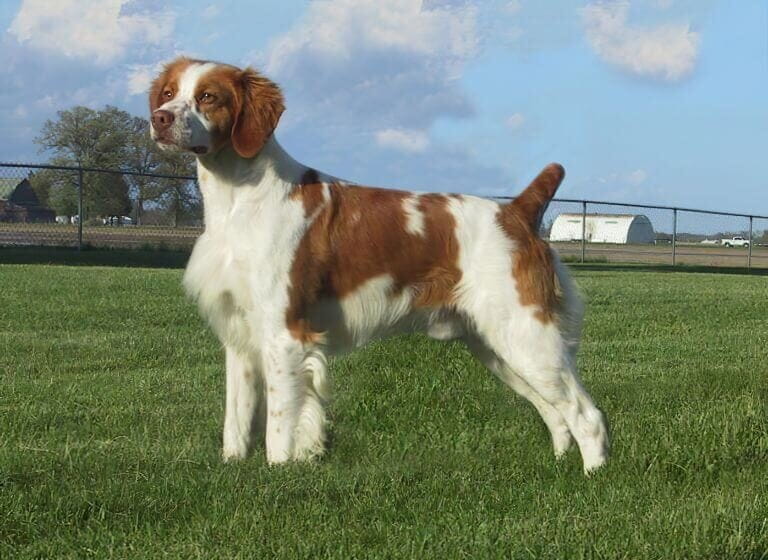
Appearance & Physical Traits
The Brittany is a medium-sized dog, weighing between 30 to 40 pounds. Its athletic build and well-muscled legs lend to its agility and speed in the field. With a compact, balanced frame, it’s perfectly suited for hunting and outdoor activities.
The Brittany’s dense, flat, and wavy coat, often in orange and white or liver and roan, is both functional and striking. Its expressive eyes and floppy ears contribute to its friendly and alert personality, making it a beloved companion.
Breed calculator
Brittany Dog Weight Calculator: Puppy to Adult
Puppy Weight Calculator
Enter your puppy's current age and weight to estimate its adult weight and see a projected growth chart.
Estimated adult weight
—
—
Projected growth curve
Milestone weight table, based on your estimate
| Age | % of adult weight | Projected weight |
|---|
Temperament & Personality
Brittanys are energetic, friendly, and intelligent, making them excellent companions for families and individuals alike. They thrive on human interaction and socialization, and their trainability allows for success in obedience, agility, and fieldwork.
With a gentle disposition, they are affectionate and playful, especially with children and other dogs. However, their sensitive nature means they may experience separation anxiety if left alone for too long, so it’s vital to provide them with enough mental and physical challenges.
Exercise & Training Needs
The Brittany is an active breed that requires daily exercise, including walks, runs, and off-leash play in safe areas. Their mental stimulation is equally important, so activities like fetch, agility courses, and scent work are highly recommended.
Training should be based on positive reinforcement as Brittanys are sensitive and respond poorly to harsh corrections. Without sufficient exercise and mental challenges, they may become bored, leading to undesirable behaviors like chewing, digging, and excessive barking.
Health & Lifespan
The Brittany enjoys a healthy lifespan of 12 to 14 years but may face some common health concerns, such as hip dysplasia, epilepsy, and ear infections. Regular veterinary check-ups and a balanced diet are essential for maintaining their health.
Being an active breed, they should also receive proper dental care and regular exercise to prevent eye conditions like cataracts. When considering breeding, it’s vital to ensure that genetic conditions are not inherited, which could lead to serious health issues in the offspring.
Grooming & Coat Care
Brittanys have moderate grooming needs, requiring weekly brushing to maintain their healthy coat and manage shedding. Occasional baths, along with nail trimming, ear cleaning, and dental hygiene, ensure they stay in top shape.
Their medium-length coat is water-resistant, making them ideal for outdoor activities. Despite not needing extensive grooming, they do benefit from routine care to prevent discomfort and maintain their vibrant appearance throughout their active lifestyle.
Suitability as Family Pets
The Brittany is an excellent choice for families looking for an affectionate, friendly, and active dog. Their gentle nature and love for human interaction make them great companions for children and other pets.
Their need for regular exercise and socialization ensures they fit well into active households, as they thrive on daily activities and family bonding. Brittanys enjoy being involved in the family’s activities, making them ideal for households that prioritize outdoor fun.
Brittany in Sports & Competitions
The Brittany excels in a variety of sports, including agility, obedience competitions, and hunting trials. Known for their intelligence, they perform well in retrieving and pointing events, showcasing their versatility as gundogs.
Their hunting instincts make them a favored choice for field trials, where they demonstrate their remarkable ability to adapt to different roles in various competitions. Their athleticism and trainability make them stand out in fieldwork and other competitive environments.
Q: Are Brittanys Good with Children?
Brittanys are intelligent and naturally friendly, making them great companions for children. Their energetic personality and love for active play ensure they engage well with kids. This breed is affectionate and enjoys mental stimulation, ensuring a fun time.
Brittanys thrive in environments with ample outdoor space for active play and long walks. Their gentle nature allows them to be patient with children, although consistent training with positive reinforcement is essential for a harmonious relationship.
Q: How Much Exercise Does a Brittany Need?
Brittanys are highly energetic dogs that thrive on daily physical activities. Long runs and active play sessions are essential for maintaining their mental and physical health, as they are naturally curious and love to explore.
Regular exercise is crucial for Brittanys, as it helps reduce excess energy. Consistent outdoor time allows them to thrive, ensuring their well-being. Mental stimulation through training or play is equally important to keep them engaged and balanced.
Q: Are Brittanys Easy to Train?
Brittanys are naturally intelligent and trainable, making them ideal for positive reinforcement methods. Their eagerness to please and gentle demeanor ensures they respond well to consistent training sessions, especially when the approach is engaging.
Their trainability is further enhanced by their high energy levels, requiring regular mental challenges. Brittanys thrive on training that incorporates mental and physical stimulation. Ensuring a consistent routine helps them achieve new goals while strengthening the bond with their owner.
Q: Do Brittanys Shed a Lot?
Brittanys have a moderate amount of shedding, but it’s manageable with weekly brushing. Their coat tends to stay healthy with regular care, preventing excessive hair from accumulating around the house or on clothing.
While Brittanys are not heavy shedders, regular brushing ensures their fur stays healthy and clean. This process also reduces the amount of fur that ends up around your home, making it easier to maintain a tidy living space.
Q: What Health Issues Are Common in Brittanys?
Brittanys, like many breeds, may face common genetic conditions such as hip dysplasia. Regular checkups can help manage potential issues like epilepsy or ear infections, which can be particularly prevalent in active and energetic dogs.
Other health concerns for Brittanys include cataracts and breeding-related risks, which can affect their quality of life. It’s important to stay responsible about their health management, providing timely medical interventions to mitigate these issues and keep them happy.
Q: Can Brittanys Live in Apartments?
Brittanys can adapt well to apartment life if they receive sufficient exercise. Their energetic nature means they require daily outdoor time for mental stimulation and physical activity. Without this, they may become restless.
While apartment living is possible, a Brittany will thrive in homes with outdoor space for more freedom. They need a routine with active play and regular walks to keep them happy and healthy, ensuring a balanced lifestyle.